How Borewell Recharge Prevents Summer Dry-Outs
Monsoon water, filtered and injected deep, keeps borewells alive through April and May.
Read Article
Reverse osmosis became India's default purifier — but for most homes on municipal or tank supply, it removes more than it should and wastes up to three litres for every litre you drink.
The right purifier depends on what is in your water. TDS (total dissolved solids) is the first number to check. Municipal supply in most Indian cities sits well below 500 ppm, where RO is not required.
RO forces water through a membrane so fine that it strips out salts — including the calcium and magnesium your body needs. Many RO units then add minerals back artificially.
Multi-stage carbon and ultra-filtration remove sediment, chlorine, odour and bacteria — without wasting water or electricity — while natural minerals pass through.
“Every litre that enters the filter reaches your glass. That is the standard we hold every Shrunga product to.”
Test first, then choose. If your TDS is in range, a zero-reject filter gives you safe, mineral-rich water at a fraction of the running cost.
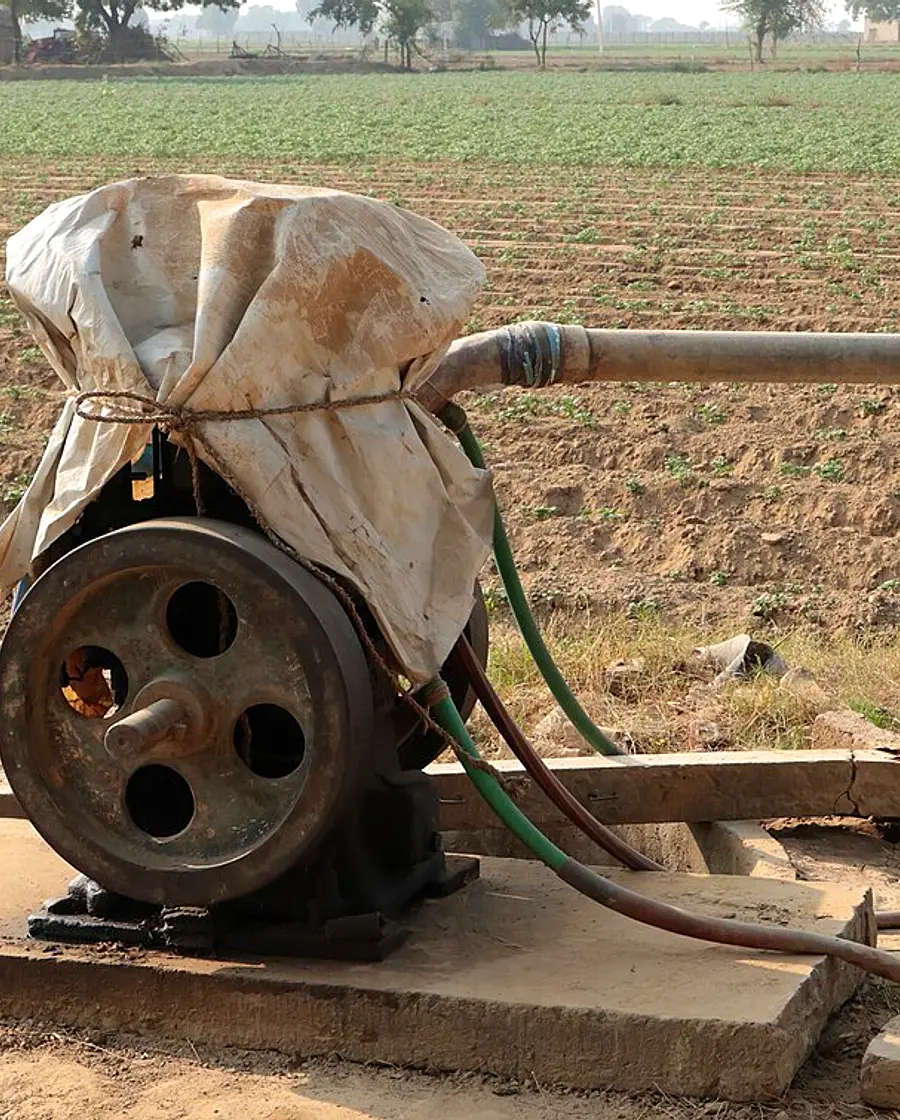 Borewell
Monsoon water, filtered and injected deep, keeps borewells alive through April and May.
Read Article AWG
How atmospheric water generators work — and where in India they make sense.
Read Article Health
Calcium and magnesium are stripped by RO. What that means for your family.
Read Article